
Project Investigators
A multidisciplinary team developing AI-driven solutions and automated data processing pipelines for sustainable weed management.
SmartWeedControl
Meet Our Team
Chief Investigators
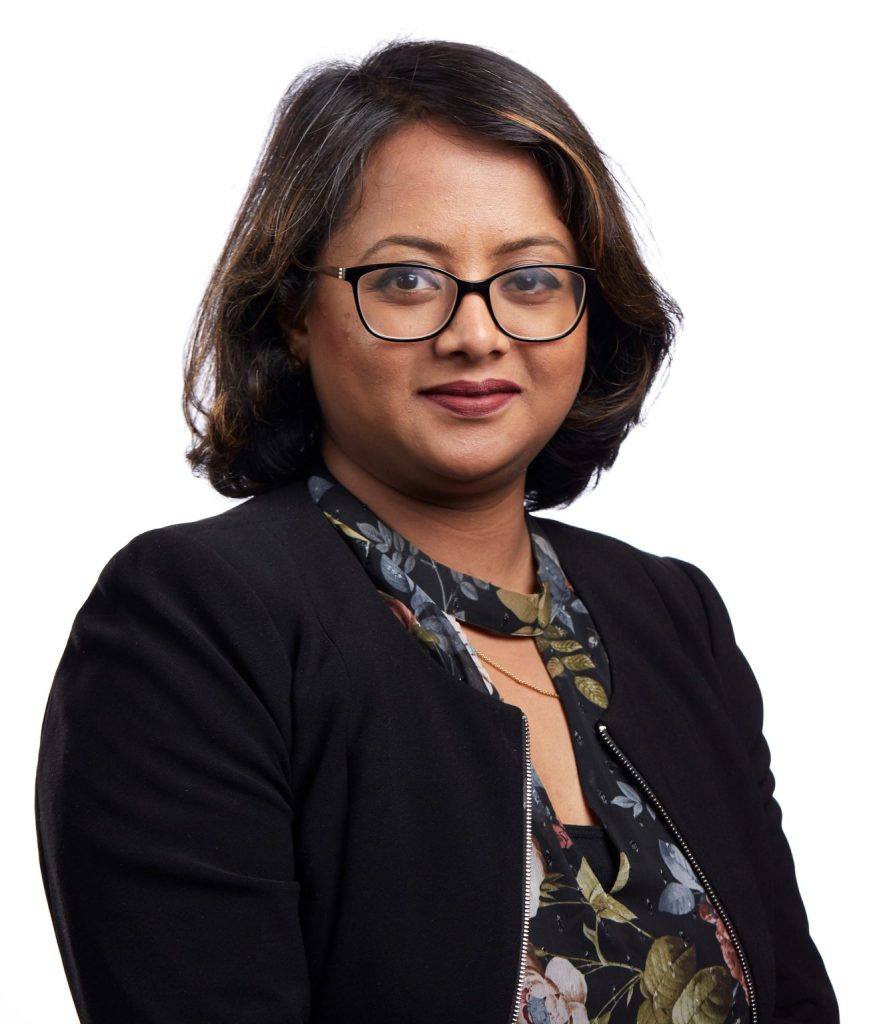
Dr. Nahina Islam
Read Full Bio
Dr Nahina Islam is a Senior Lecturer and research leader in Artificial Intelligence at CQUniversity, Australia. She serves as Lead Investigator of the AEA Innovate-funded Smart Weed Management Project and Co-Lead Investigator of the EATP-funded Smart Weed Management Project, leading the development of AI-enabled, drone-based technologies for precision weed detection and targeted spraying in agriculture. These projects focus on translating cutting-edge research into practical, scalable solutions that support sustainable and efficient agricultural practices.
Dr Islam holds a PhD in Telecommunication Engineering and leads the AI & Data Science Cluster within the CML-NET Research Centre. Her research focuses on artificial intelligence, UAV-based sensing systems, Internet of Things (IoT), and precision agriculture, with applications in smart farming, environmental monitoring, and autonomous decision-support systems. She has successfully secured and led more than AUD $4.7 million in competitive research funding and industry-supported projects from organisations including the Australian Economic Accelerator (AEA), CSIRO Data61, Emerging aviation technologies partnerships (EATP), Meat & Livestock Australia (MLA), the Great Barrier Reef Foundation, the Department of Agriculture and Fisheries Queensland, and industry partners, supporting research in smart agriculture, autonomous sensing, environmental monitoring, and AI-driven cyber-physical systems.
Her research has contributed to advancements in AI-driven weed management, smart sensing, and autonomous agricultural systems. Dr Islam has received multiple awards and recognitions for excellence in research, innovation, supervision, and learning and teaching, including the CQUniversity Vice-Chancellor’s Award for Best Practice in Learning and Teaching. She is a Senior Member of IEEE and the Australian Computer Society (ACS) and Vice Chair of IEEE VIC Women in Engineeering (WIE).
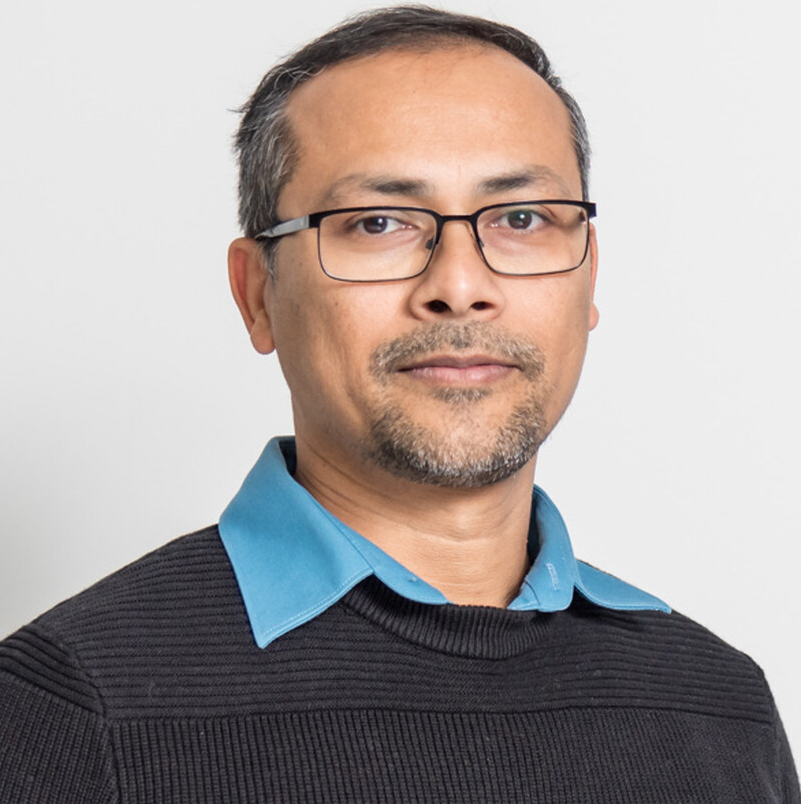
Dr. Biplob Ray
Read Full Bio
Dr Biplob Ray is an outstanding researcher with an impressive background of research, academic, and industry experience. He is currently a senior lecturer at CQUniversity. He is highly interested in multidisciplinary research with core interests in smart farming and secure communication protocols of Cyber-Physical systems driven by Artificial Intelligence (AI), the Internet of Drones (IoD), and the Internet of Things (IoT). Dr Ray has worked on several Australian federal governments and industry-funded research projects since 2016, and his peers have recognised and cited his 57 book chapters, journals, and conference publications extensively. He has received several awards, including the Dean’s Awards for Outstanding Researchers in 2023 (Mid-Career Research Category) and 2019 (Early-Career Research Category), as well as a commendation for outstanding research from CQU Vice-Chancellor’s Award in 2019. Dr Ray is a research group leader in the Centre for Machine Learning, Networking and Education Technology (CML-NET), CQU, and discipline lead in the College of ICT of Emerging Technologies. He has also served (or serving) as a guest editor, editorial board member, and reviewer in reputable journals and as a keynote speaker, organising chair, PC member, and reviewer for several conferences since 2012.
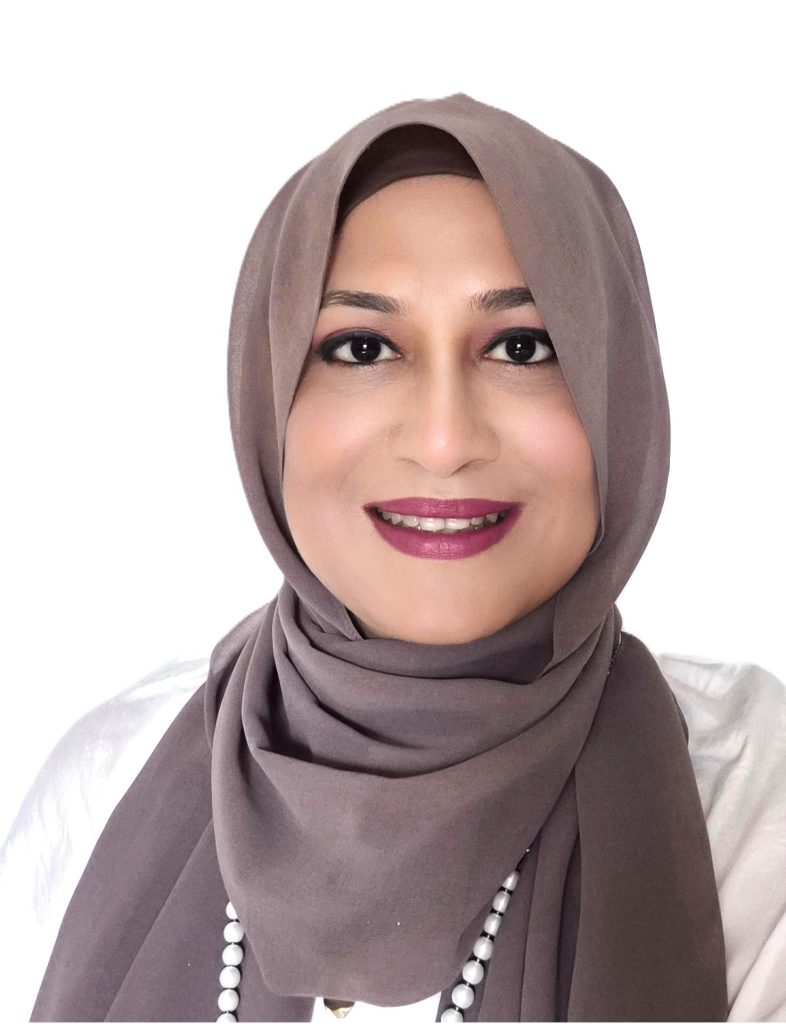
Dr. Jahan Hassan
Read Full Bio
Associate Professor Jahan Hassan holds a PhD from the University of New South Wales (UNSW), Australia, and a Bachelor’s degree from Monash University, Australia. Her research focuses on drone-enabled systems and applications for civilian sectors, Internet of Things (IoT), and intelligent sensing technologies, with applications in smart agriculture, environmental monitoring, and natural hazard prediction. Her work incorporates AI-based methods where appropriate to support data analysis, automation, and decision-making within these application domains. She leads the Emerging Technologies Cluster within the CML-NET Research Centre and has led and co-led multiple funded initiatives, including serving as Lead Investigator on the EATP project and Co-Lead on the AEA Innovate program, both focused on translating drone- and AI-assisted technologies into practical agricultural solutions. She also contributes to the Smart Weed Management project, focusing on AI- and UAV-based precision weed detection and targeted spraying systems. A/Prof. Hassan serves as Editor of Ad Hoc Networks (Elsevier). She is the recipient of the Australian Award for University Teaching (AAUT) and has received multiple institutional and international awards for research and teaching excellence. She is a Senior Member of IEEE and a Member of the Australian Computer Society.
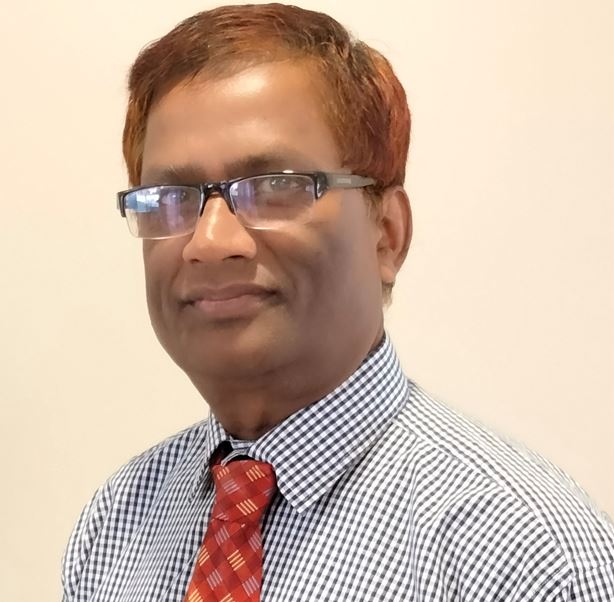
Dr. Nurun Nabi
Read Full Bio
Associate Professor Md Nurun Nabi is an internationally recognised researcher in sustainable fuels and clean energy systems, ranked among the world’s top 2% of scientists from 2020 to 2025. His research focuses on hydrogen, biofuels, and their applications in advanced combustion systems, including vehicles and UAVs, with the aim of achieving deep decarbonisation and emissions reduction. He has an h-index of 47 with over 7,700 citations, reflecting the strong impact of his work in the field. Throughout his career, he has secured approximately $3.2 million in competitive research funding and successfully supervised 12 higher degree research (RHD) completions.
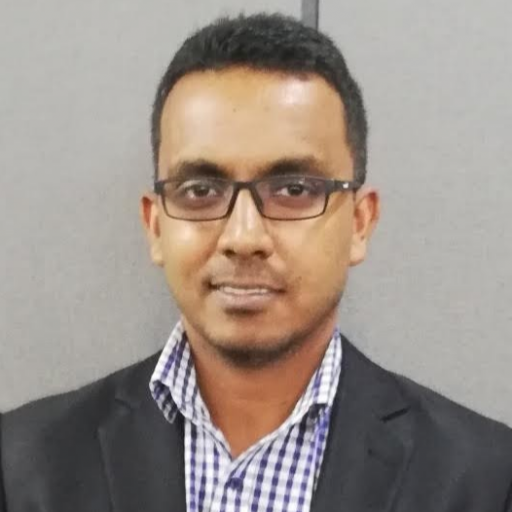
Dr. Lasitha Piyathilaka
Read Full Bio
Dr Lasitha Piyathilaka is a Senior Lecturer in Engineering at Central Queensland University, the Discipline Lead for Industrial Automation, and the Research Cluster Leader of the Mechatronics Research Group within the School of Engineering and Technology. He holds an undergraduate degree in Electrical Engineering and an M.Phil in Robotics from the University of Moratuwa, Sri Lanka, and a PhD in Robotics from the University of Technology Sydney, Australia.
Dr Piyathilaka’s research focuses on field robotic systems, autonomous sensing platforms, and machine intelligence for environmental monitoring and agricultural applications. His work spans robotic design, perception systems, machine learning–enabled sensing, and intelligent automation architectures. He has led and contributed to multiple high-impact applied research programs in collaboration with industry, government, and research partners.
He has secured major competitive funding, including a significant Australian Economic Accelerator (AEA) grant for the development of an intelligent and adaptable weed management robotic system, as well as an Innovation Connections grant, which enabled the development and successful deployment of an underwater robotic cleaning system. His earlier work at the University of Technology Sydney on robotic inspection systems for water and sewer pipelines received national recognition, winning both the National and NSW Research Innovation Awards from the Australian Water Association.
Dr Piyathilaka has established a strong research presence in robotics and automation at CQUniversity. His current work integrates robotics, automation, sensing technologies, and AI to develop scalable solutions for environmental restoration, agricultural automation, and industrial asset monitoring. He has extensive teaching experience and contributes to curriculum innovation in Mechatronics and Industrial Automation, embedding cutting-edge technologies such as AI, advanced sensing, and autonomous systems into engineering education.
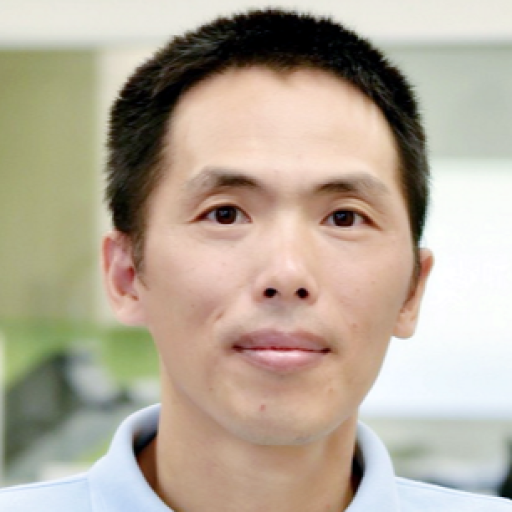
Dr. Zhenglin Wang
Read Full Bio
Dr. Zhenglin Wang is an accomplished academic and industry professional who has made significant contributions to the fields of computer science and engineering. He obtained his Master of Computer Science by Research and PhD degrees from the University of South Australia in 2012 and 2016, respectively.
During his career, Zhenglin has worked as a software engineer at TCL, UTStarcom, and Hitachi Construction Machinery Australia for several years, where he gained extensive experience in developing software solutions for various applications. Following this, he served as a Postdoctoral Research Fellow in the Institute for Future Farming Systems at CQU for over five years. During this time, he conducted pioneering research in the areas of agriculture automation, and his team developed the world’s first mango auto-harvester. In recognition of his research excellence, Zhenglin was awarded the “Advanced Queensland Industry Research Fellowship” in 2019.
Zhenglin currently holds the position of lecturer-ICT with the School of Engineering and Technology at CQUniversity Sydney, where he is actively engaged in teaching and research. Zhenglin is a member of the Australian Computer Society (ACS). His research interests include computer vision, machine learning, unmanned ground vehicle, and precision agriculture.
Collaborating Partner
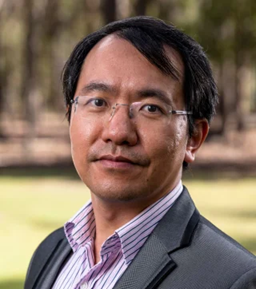
Prof. Stephen Xu
Read Full Bio
Professor Stephen Xu, Xu from Charles Darwin University has extensive experience in plant ecophysiology, spanning over 15 years. His research primarily focuses on enhancing crop production by examining the physiological responses of crops to climate and resource availability, and by employing carbon farming and precision agriculture technologies. He has worked with a diverse range of crops, such as peanuts, sugarcane, macadamias, blueberries, dragon fruit, exotic mushrooms, and sweet potato. He has established extensive cross-disciplinary networks in computer science, engineering, economics, rural supply chain, and policy, which enables him to engage in broad multidisciplinary collaborations. Additionally, Professor Xu is a licensed drone pilot with significant experience in drone operations for agricultural applications. In this project, he will provide expert consultation to the engineering team from an application perspective. His expertise in crop production research and cross-disciplinary networks will be invaluable in developing and implementing this project.
Farmland Providers
Peter Foxwell Farmlands, Alton Dawn, Rockhampton, QLD
The Department of Agriculture and Fisheries, NT.
Senior Post Doctoral Research Fellow
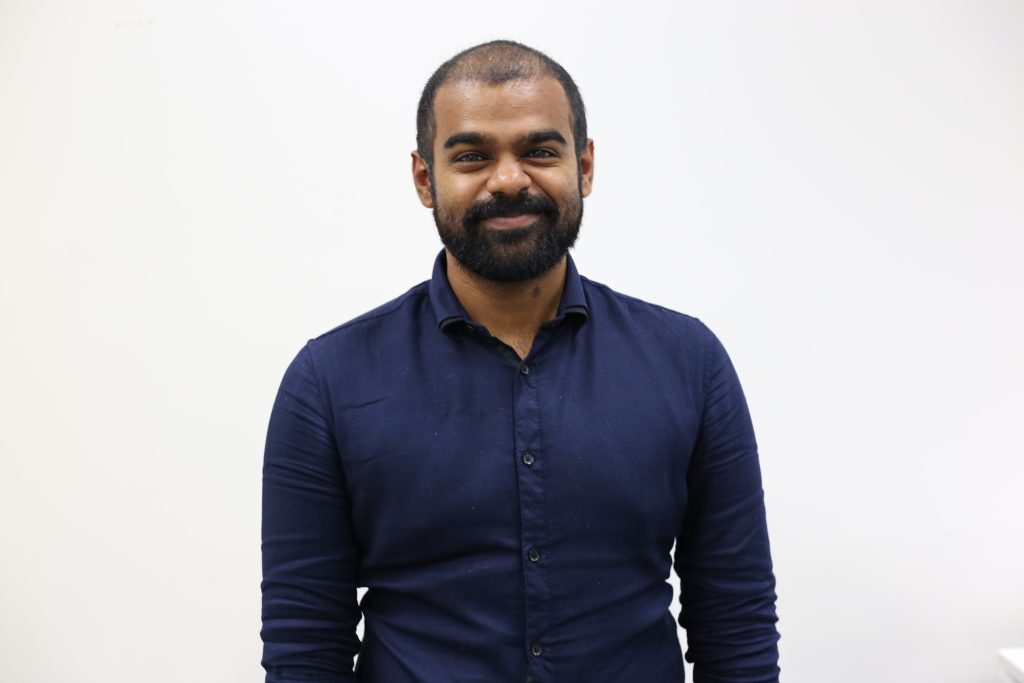
Dr Clevon Peris
Read Full Bio
Clevon Peris is a Mechatronics Engineer and Research Fellow specializing in aerial robotics, control theory, and autonomous applications. He holds a PhD focused on Control strategies for multirotor UAVs carrying suspended payloads, with particular expertise in nonlinear control and reinforcement learning approaches.
His previous research includes the development of a thrust-vectored multicopter for wind farm surveying applications, as well as the design and implementation of an automated energy management system for a winery.
His present and existing work concerns the development of robust control systems which are applicable in dynamic, real-world environments. He has extensive experience in modelling, simulation and development of complex UAV systems, including multi-link slung load dynamics, and has worked with a range of control techniques such as sliding mode control, adaptive control, and deep reinforcement learning.
He is particularly interested in building aerial robotic systems that combine autonomy, intelligence, and practical application. His long term goal is to contribute to the development of sustainable, intelligent technologies that can be utilised at an industrial level.
Research Assistants
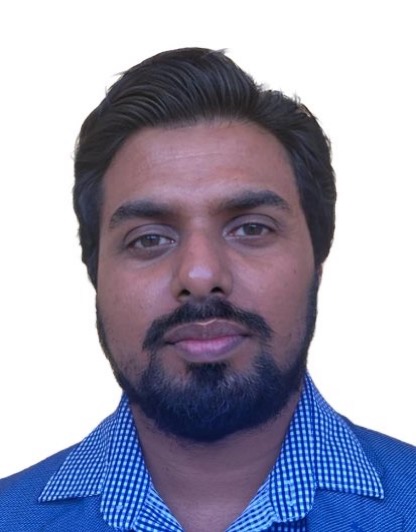
Mr Pushpika Hettiarachchi
Read Full Bio
Pushpika Aroshana Hettiarachchi is a graduate Electrical and Electronics Engineer with a strong research focus on AI, UAVs, IoT, and energy systems. He is currently completing a Master of Research at Central Queensland University as a recipient of the Destination Australia Scholarship and has contributed to multidisciplinary, industry‑funded projects including AI‑driven internet-of-drones for targeted weed spraying, UAV‑based weed detection, reinforcement‑learning drone trajectory optimisation, seagrass mapping and enhancement, EV charging optimisation, and IoT cybersecurity assessment. He brings hands‑on experience in Python, PyTorch, Raster Vision, MATLAB, embedded systems, edge computing, a track record of peer‑reviewed publications and book chapters, and a collaborative, solutions‑oriented approach focused on translating applied research into practical, sustainable technologies ready to support industry and community outcomes from day one. He is inspired to develop into a well‑rounded professional working at the intersection of IoT, AI, image processing, data analytics, Smart Cities, Smart Grids, and Renewable Energy, delivering practical, sustainable solutions for communities.
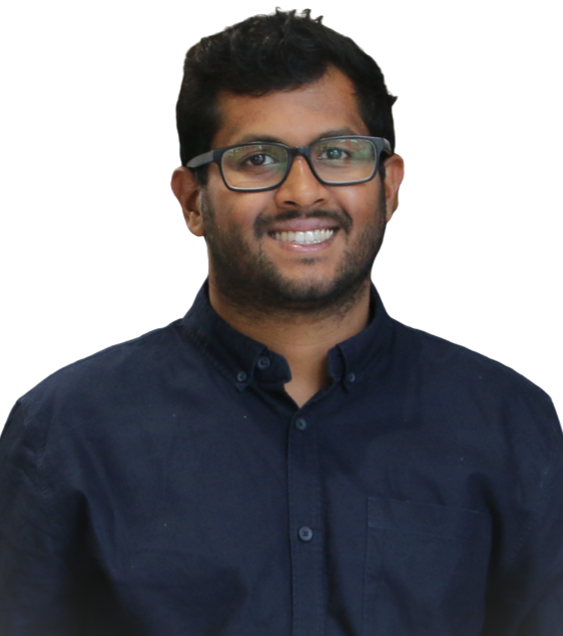
Mr Sudarshan Samarasinghe
Read Full Bio
Sudarshan Samarasinghe is currently pursuing his PhD at Deakin Institute of Intelligent Systems, Deakin University. His PhD is in the control design of cooperative UAV systems in transportation applications. He received his Master of Engineering in 2018 and his Bachelor of Engineering in 2016 from Asian Institute of Technology, Thailand in Mechatronics Engineering and control systems. His research interest is in robust and nonlinear control, fault tolerant control, Unmanned Aerial vehicles, multiagent systems and robotics. In addition to research, he also worked in the Hard Disk Drive industry in Magnecomp Precision Technology, TDK, Thailand as a senior software and development engineer in industrial precision automation prior to starting his PhD in 2022.
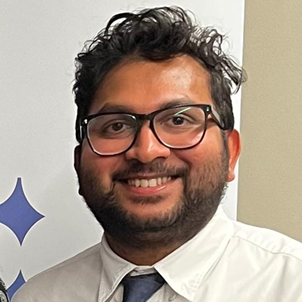
Mr Amal Jayawardena
Read Full Bio
Amal Jayawardena is a mechanical engineer, research fellow at the University of Melbourne, and research assistant at Central Queensland University, with a multidisciplinary background in CAD modelling, engineering design, advanced sensing technologies, computational chemistry, biophysics, and molecular simulations. He completed his PhD at the University of Melbourne, where his research focused on the computational design of structurally nanoengineered antimicrobial peptide polymers. His work integrates practical engineering design, atomistic modelling, and machine learning to address complex challenges across engineering, biological, and materials systems. He received the 2024 Borland Award from Materials Australia in recognition of his PhD research and is a co-inventor on multiple patents, including an Australian patent for a mobility device restraint system and an international patent for intelligent brake monitoring technology using embedded Fibre Bragg Grating sensors. Prior to these roles, he worked as a research engineer and sessional lecturer at Federation University Australia, contributing to projects in public safety, intelligent transport technologies, and advanced sensing, while continuing to support cross-sector collaborations that translate research into practical, high-impact engineering solutions.
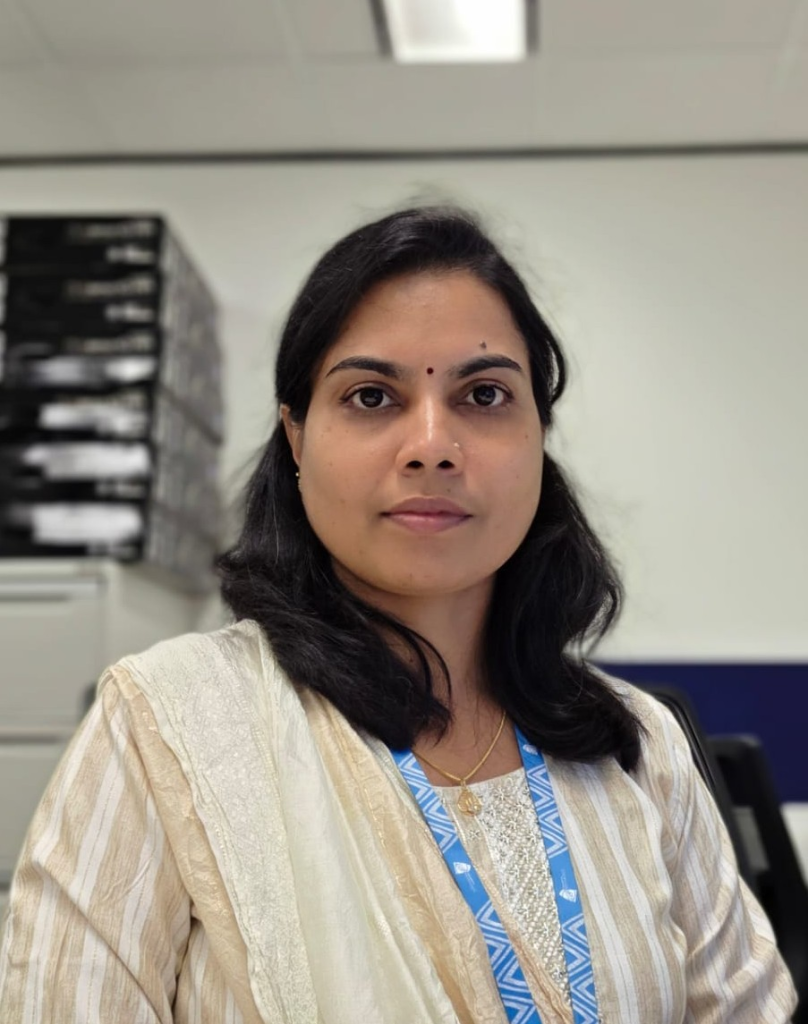
Mrs. Shouthiri Partheepan
Read Full Bio
Shouthiri Partheepan is a PhD candidate in the School of Engineering and Technology at Central Queensland University (CQU), Australia. She is also a tutor for undergraduate and postgraduate units and a member of the image processing team in the AEA research project at CQU. She received her B.Sc. (Hons.) in Computer Science from Eastern University, Sri Lanka, in 2015 and her M.Sc. from the University of Peradeniya, Sri Lanka, in 2018. She served as an Assistant Lecturer and later as a Lecturer at Eastern University from 2014 to 2022. Her research focuses on intelligent autonomous UAV systems, swarm coordination, deep learning, and computer vision, with applications in real-time environmental monitoring and fire detection. She has authored several research publications in UAV-based systems and machine learning.
Mr. Waliur Rahman
Read Full Bio
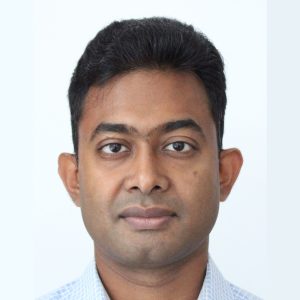
Waliur Rahman is pursuing a Master of Research in the School of Engineering and Technology at Central Queensland University (CQU), Australia. His research involvement includes contributing to the Smart Weed Control project as part of the image processing team.
He holds a B.Sc. in Electrical Engineering (minor in Computer Science) from the Bangladesh University of Engineering and Technology (BUET). He brings over nine years of experience in electrical engineering and four years in the software and data analytics domain, with expertise in data-driven systems, cloud platforms, and large-scale data processing within regulated environments.
His current research focuses on automated compliance reporting of IoT devices using artificial intelligence, with an emphasis on systematic data analysis and system-level evaluation.
Mr Talha Md Abu
Read Full Bio
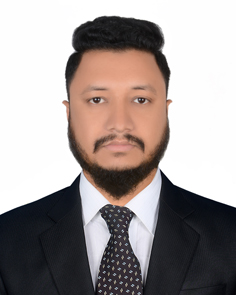
Md Abu Talha is a Master of Research candidate in the School of Engineering and Technology at Central Queensland University (CQU), Australia. He is a member of the image processing team in the Smart Weed Control research project at CQU. He received his Bachelor of Science in Electrical and Electronic Engineering from East West University, Bangladesh. He has over a decade of professional experience in engineering, telecommunications, and information systems, including roles at LM Ericsson (BD) Ltd and Edison Group Bangladesh. His research focuses on artificial intelligence, machine learning, image processing, and intelligent systems, with applications in renewable energy forecasting and automated decision systems.